A lioness resting in an acacia at sunset on the Tanzanian plains.

World of Preciousness

A Stone is Read in Six Ways

A stone is read in six ways, and felt in one.

The allure of a precious stone lies in its colour, tone, saturation, inclusions, character and clarity. Alongside colour, cut, clarity and carat weight sit a stone's symbolism and its personality.

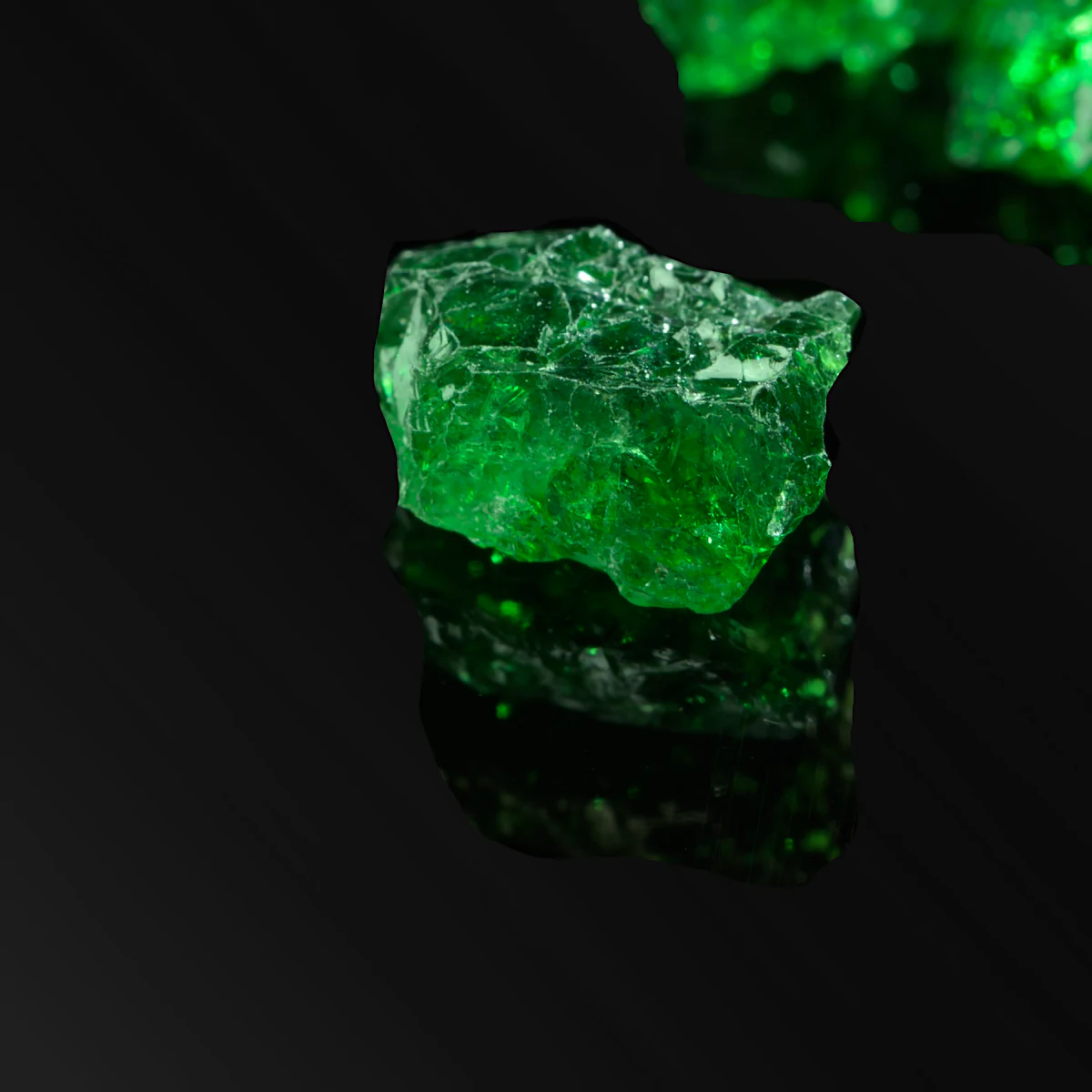
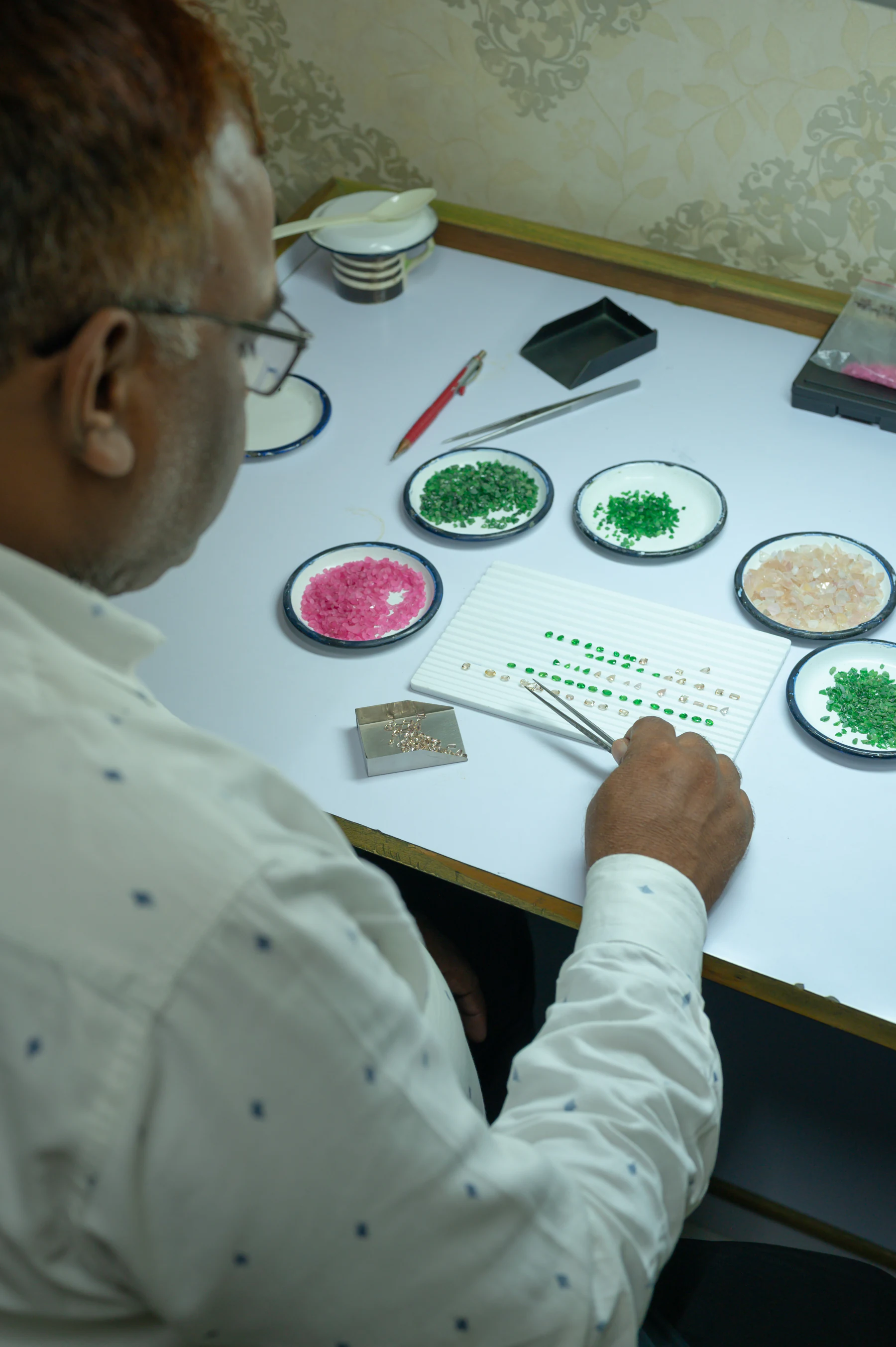
A gem sorter at a white table, grading rough tsavorite, spinel and garnet into dishes by colour.

The Science of Colour

Cut Proportions & Light

The depth, angles and symmetry of a stone's facets decide how light moves through it. When white light enters, some rays are reflected outward while others are absorbed, creating its body colour, and the rest are returned to the eye.
Three Dimensions of Colour

Colour is hue, tone and saturation, best pictured as a globe. The most desirable colour sits on its equator: a medium tone with high saturation.

Pleochroism

A doubly refractive gem can show different colours from different angles, as tanzanite does. A skilled lapidary cuts it so the full colour shows face up, with little or no secondary hue.

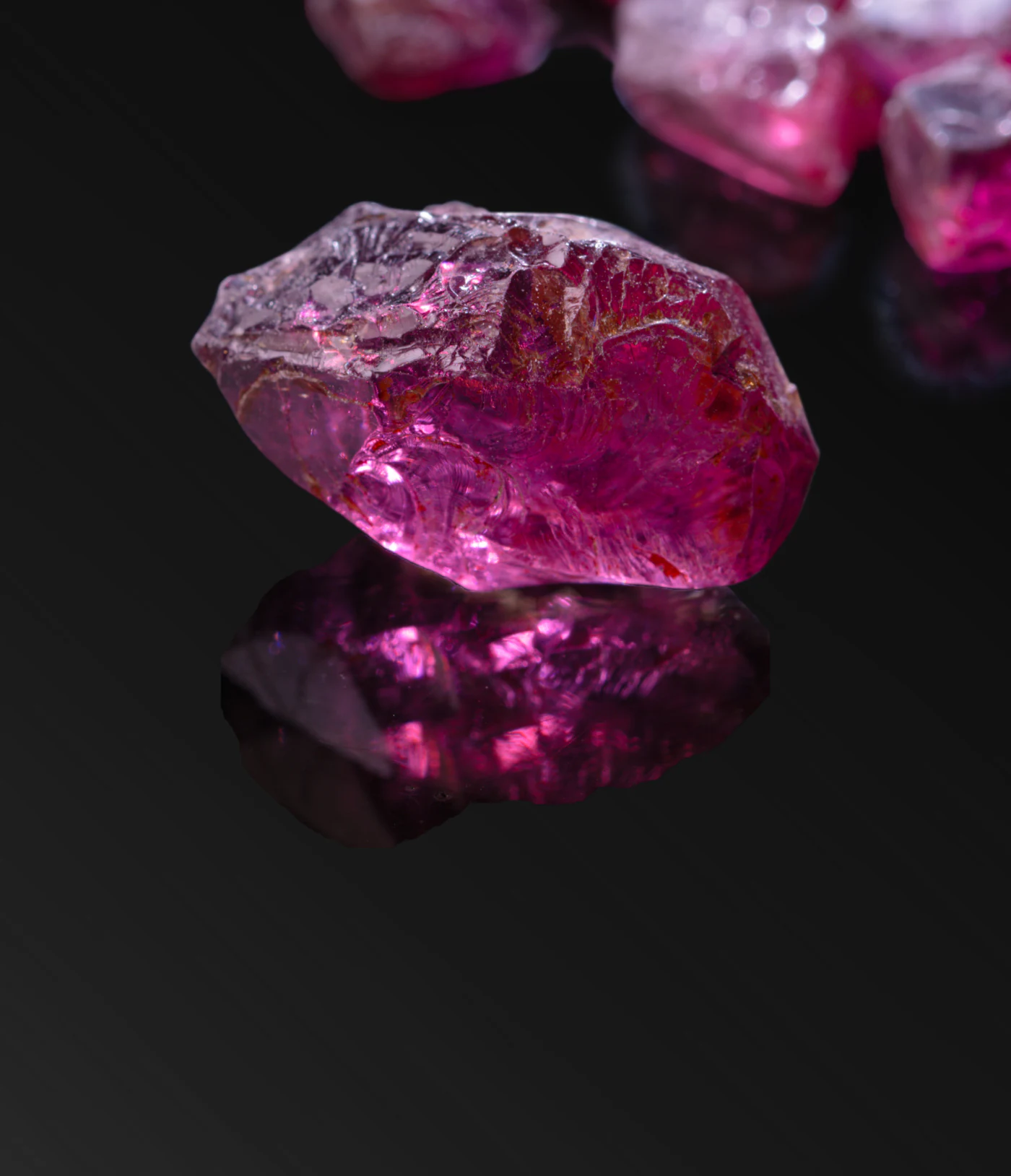
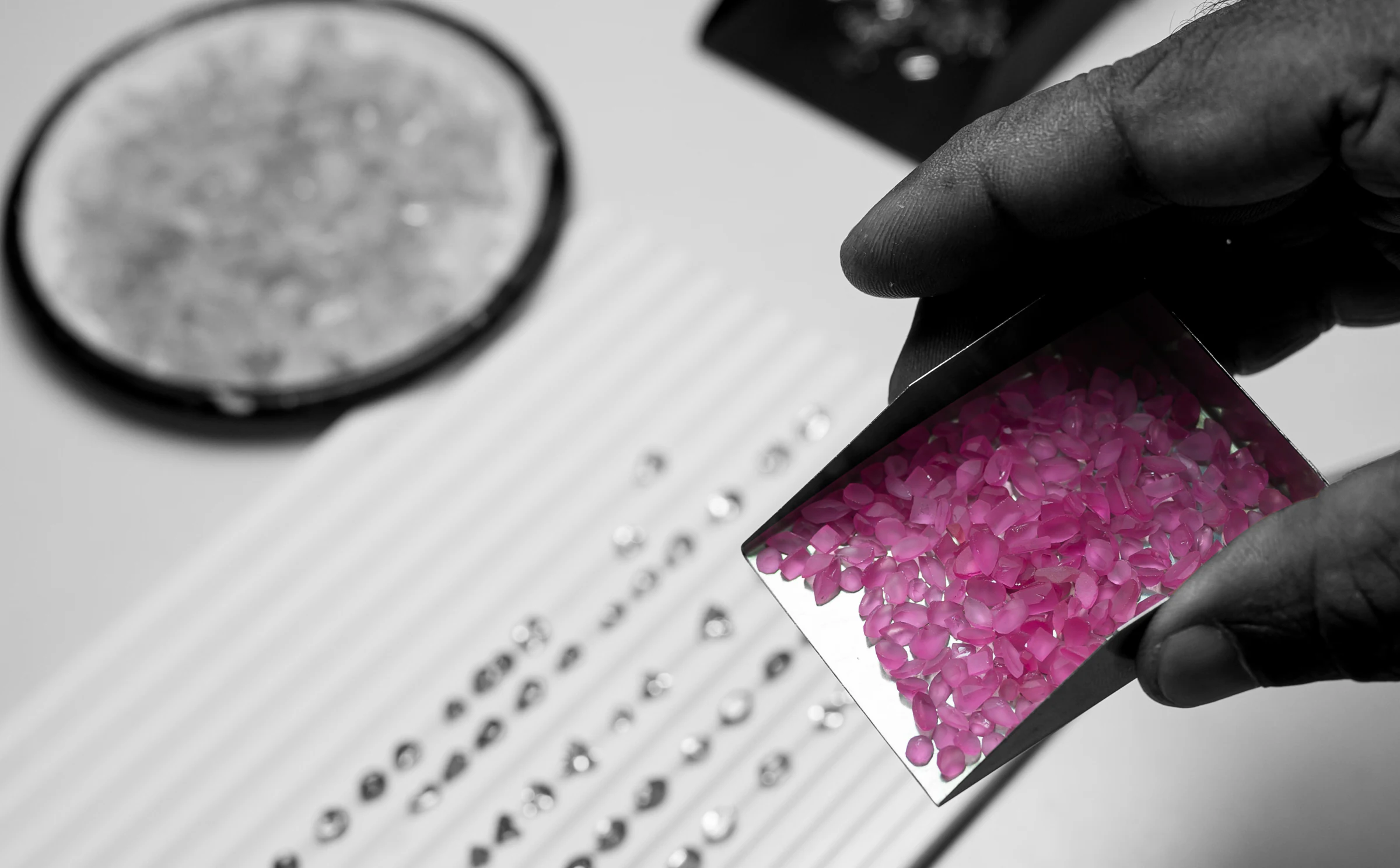
A hand tipping a paper of rough pink spinel beside a grading tray of cut stones.
Rough, sorted by hand

The Six C's

01

Character

What the stone carries of where it came from.

02

Colour

Hue, tone and saturation, read together.

03

Clarity

The inclusions, and what they tell you.

04

Cut

Depth, angle and symmetry: the light's path.

05

Carat

Weight, which is not the same as size.

06

Certification

The report, and any treatment disclosed.

Origins of the Blue Jewel

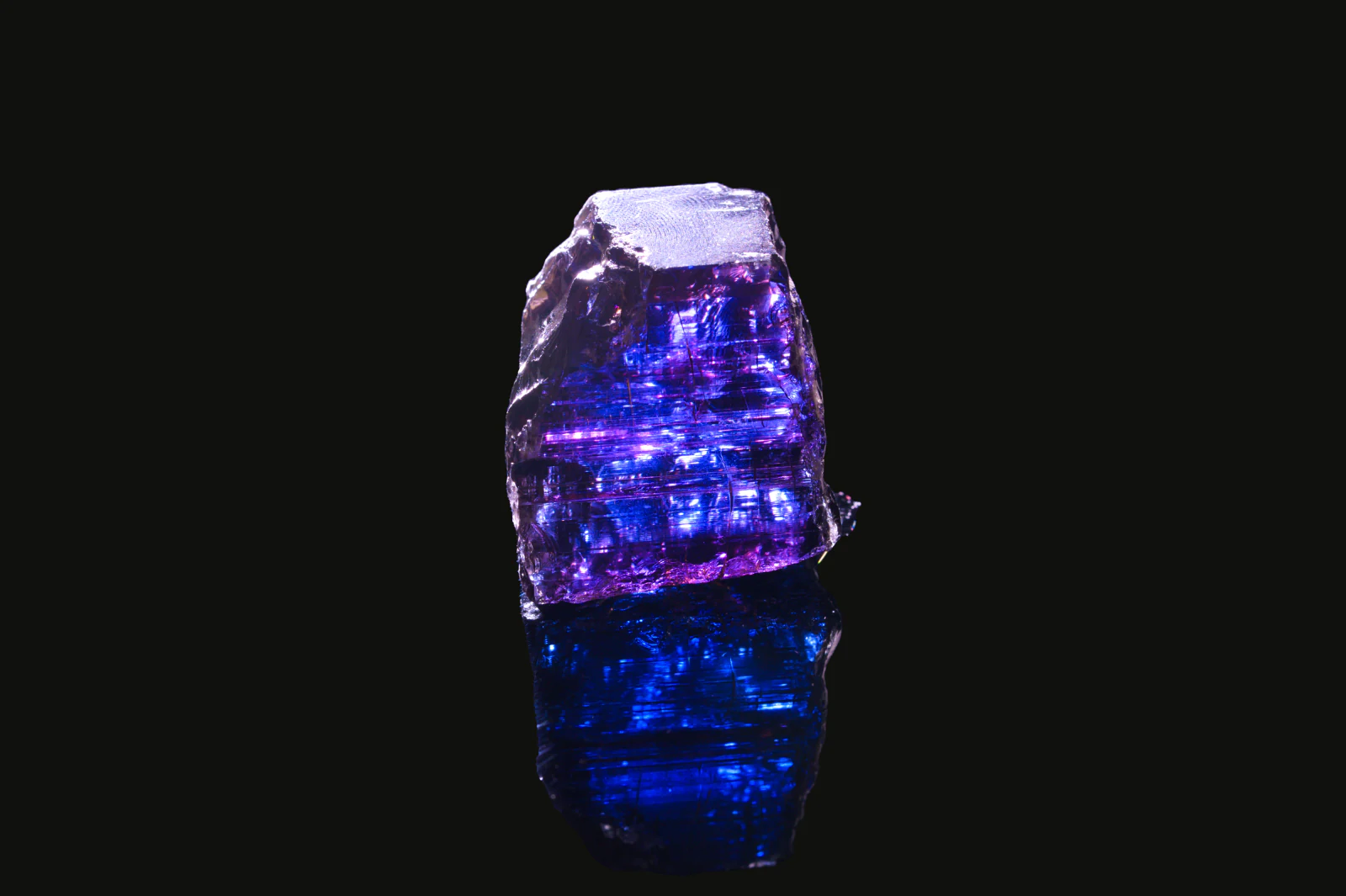
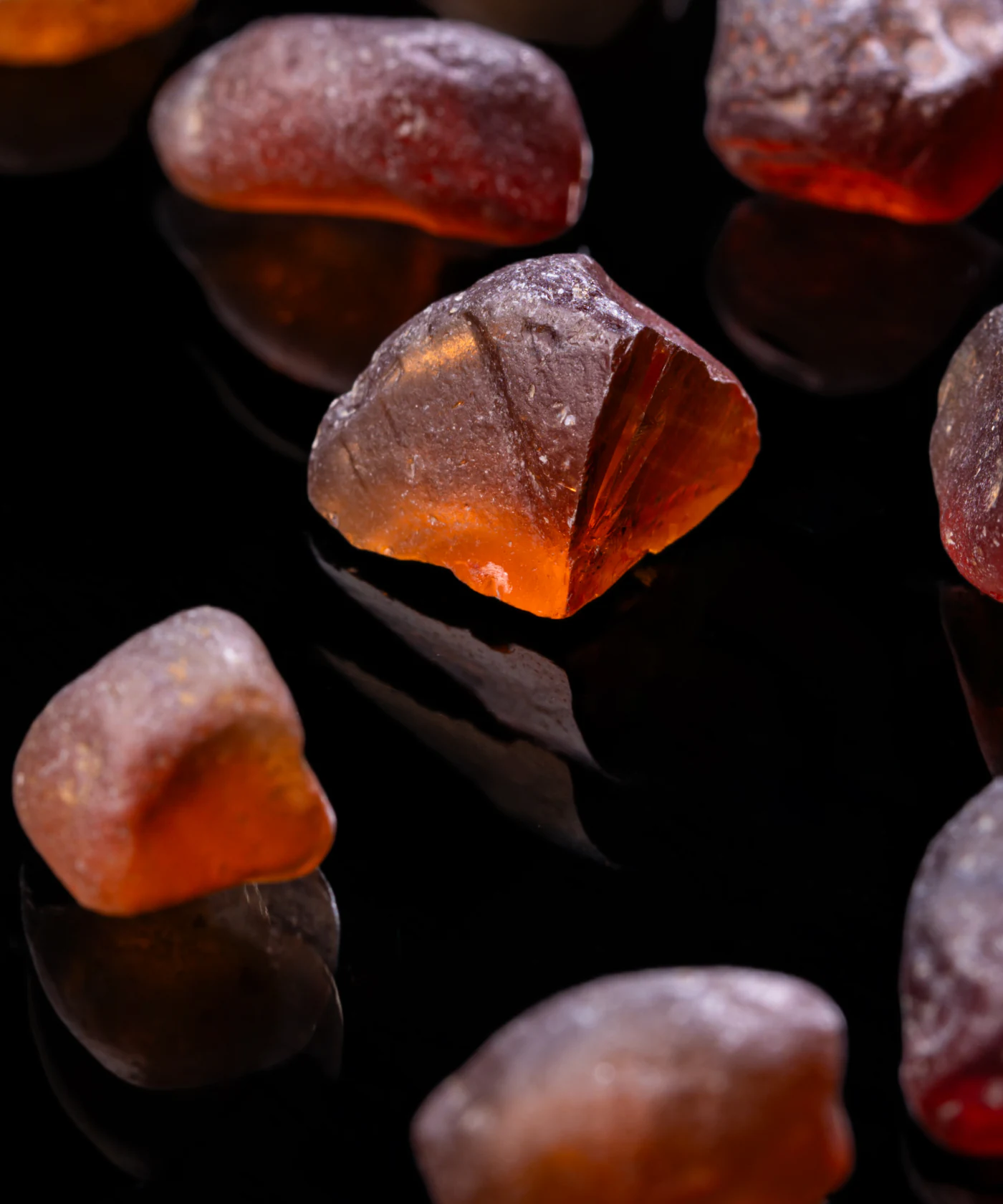
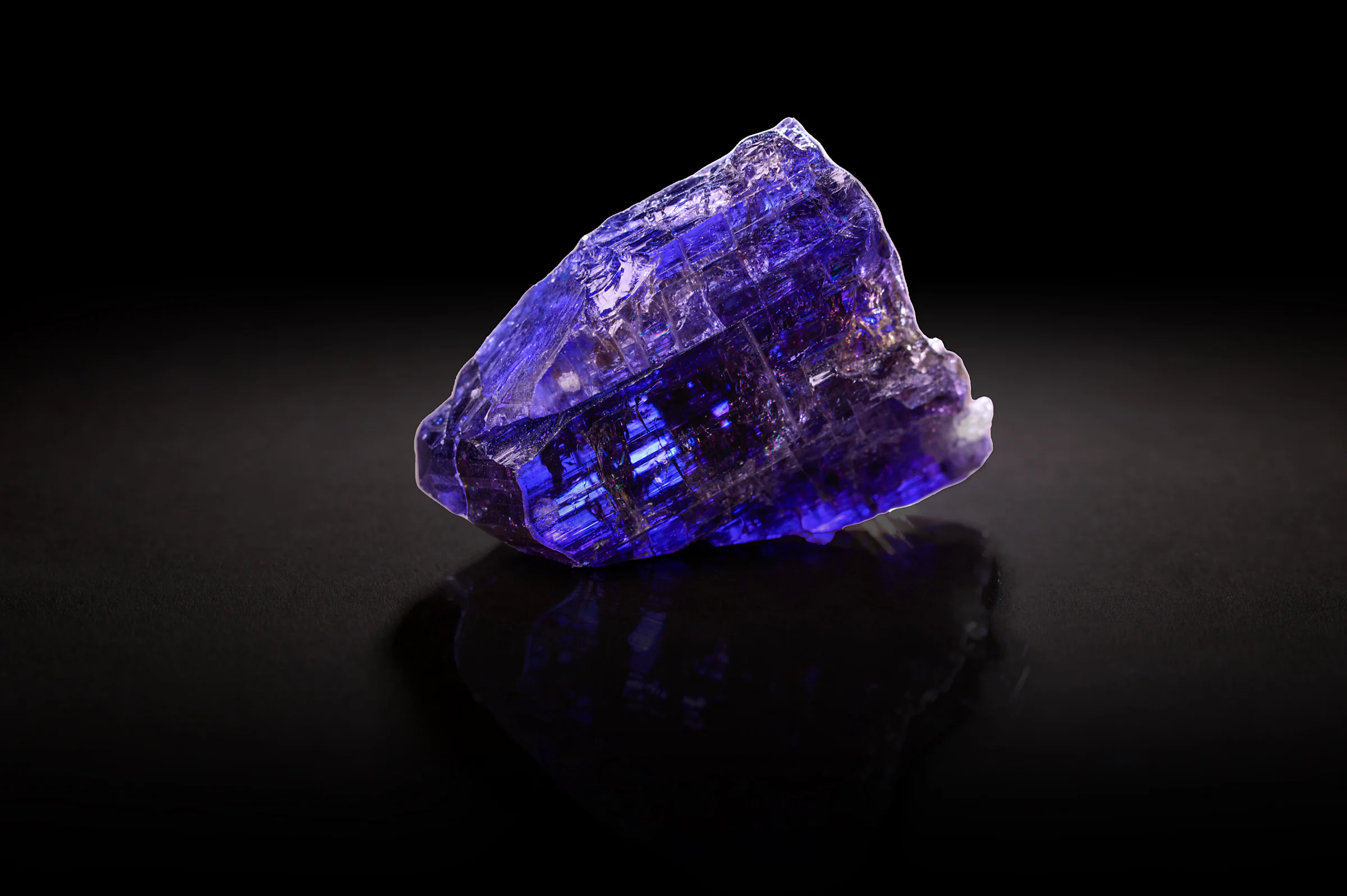
A rough tanzanite on black, glowing blue and violet.

One hill at the foot of Kilimanjaro.

The exclusive source of this captivating gemstone is confined to a tiny area nestled at the base of Mount Kilimanjaro. Tanzania, a nation steeped in lore, is home to an age-old Maasai legend where a thunderbolt descended from the heavens, hitting the earth and transmuting all the rocks into a glistening blue hue: the birth of Tanzanite.

Discover Tanzanite

The Stones of East Africa

Did You Know?

  • Tanzanite is 1,000 times scarcer than diamonds
  • The 352-carat “ruby” in the British Crown Jewels is a spinel
  • Tsavorite is four times rarer than emerald
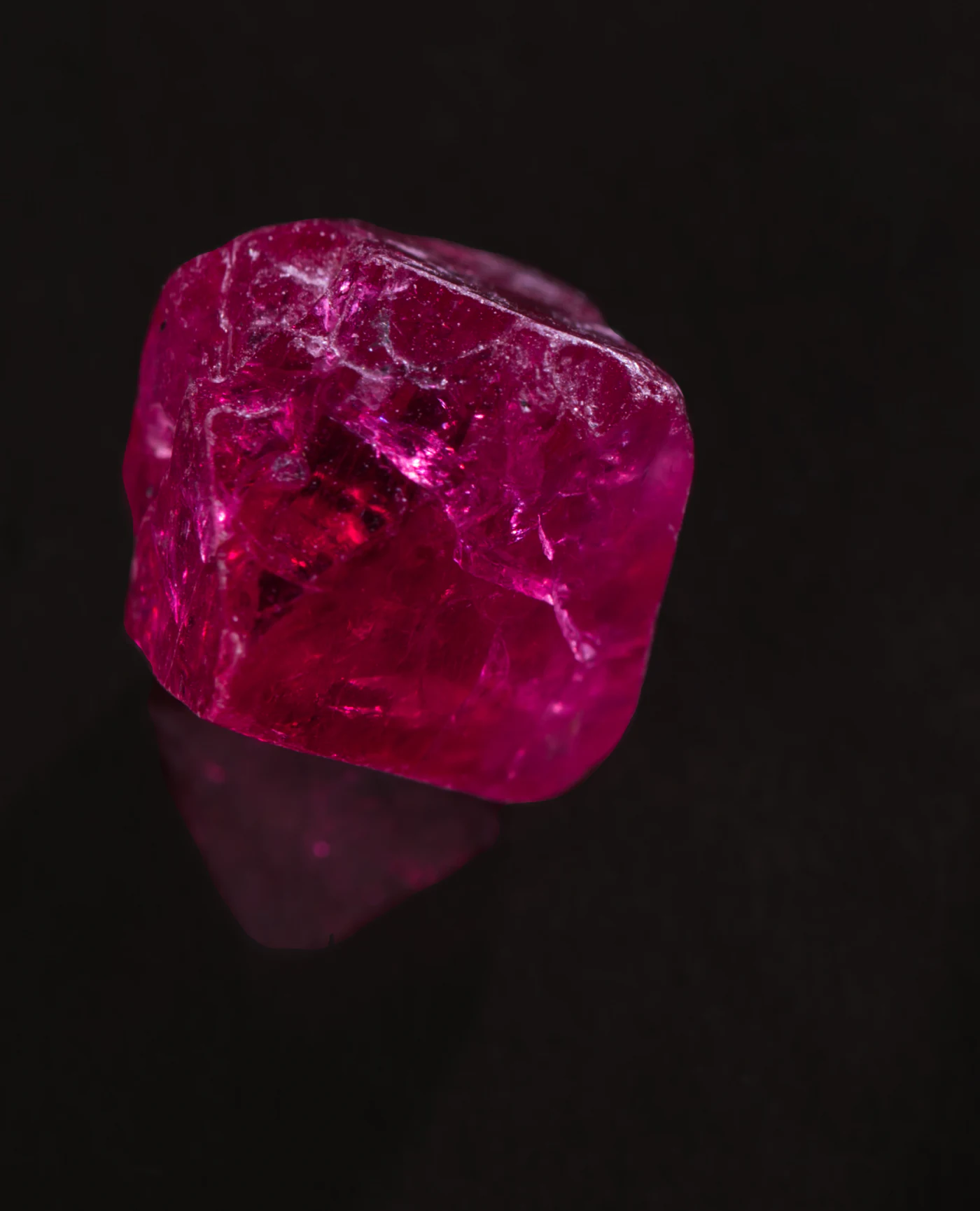
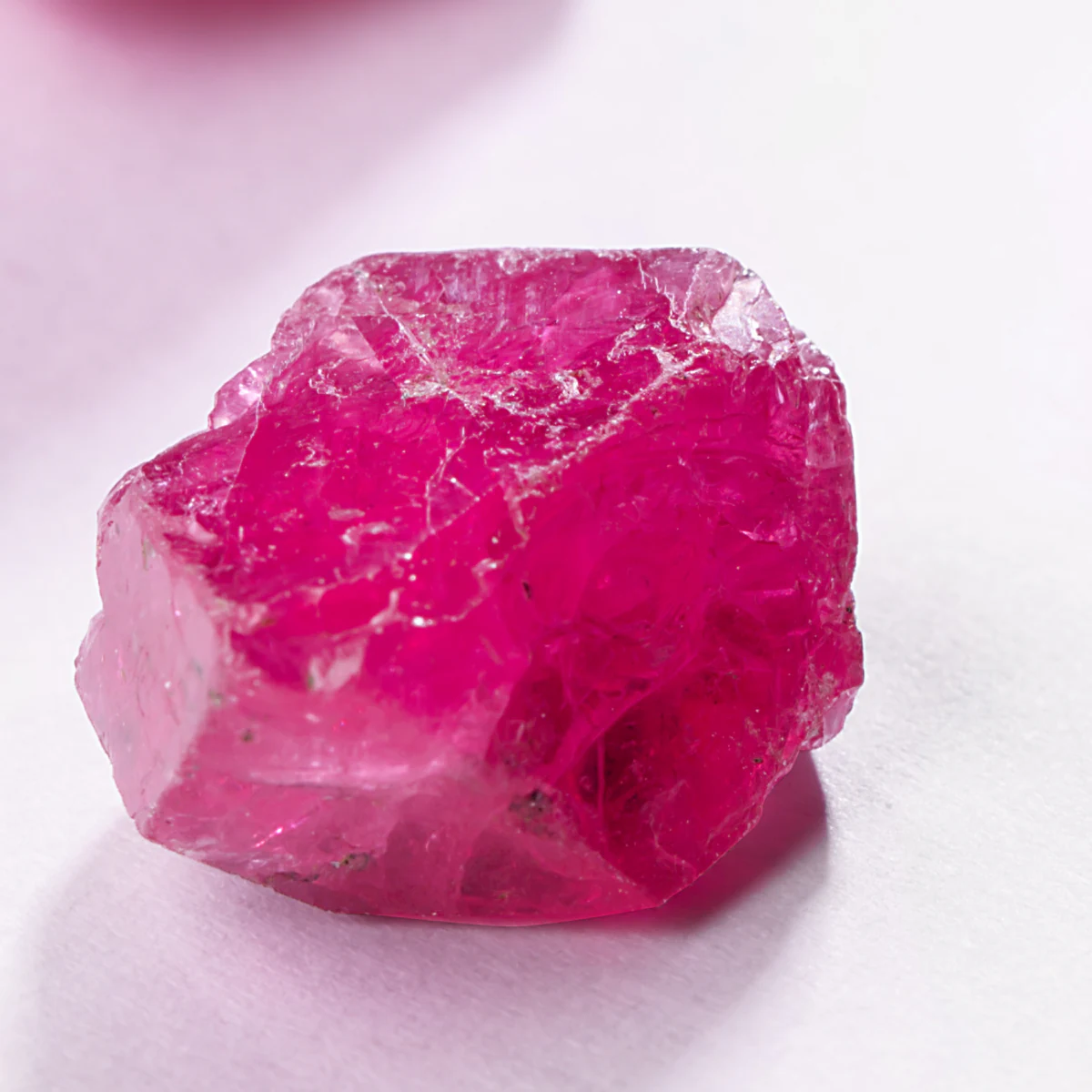
A single rough pink spinel on white.
  • Rhodolite takes its name from the Greek ‘rhodon’, rose
  • Malaya garnet was found by local miners in the 1990s
  • A coloured stone is read in six ways
Begin with Tanzanite
Back to top